Where to Read Crypto News for Trading and Protocol Decisions
Crypto markets move on information asymmetries. A governance proposal, a bridge exploit, or a regulatory filing can shift collateral ratios, liquidation thresholds, and position risk before aggregators update their feeds. Knowing where to monitor primary sources, protocol announcements, and verified security disclosures matters as much as understanding the contracts themselves. This article maps the information stack: onchain signals, protocol channels, investigative outlets, and verification layers.
Onchain Data as Primary Source
Start with the ledger. Block explorers (Etherscan, Arbiscan, Polygonscan) let you trace transaction history, contract interactions, and token movements in real time. Watch for large transfers to exchange deposit addresses, unusual contract calls on lending protocols, or sudden changes in liquidity pool reserves. These events precede most public narratives.
Mempool monitoring tools expose pending transactions before they settle. Services that parse mempool data show what large actors are queueing: batch liquidations, governance votes, oracle updates. If you operate leveraged positions or provide liquidity, knowing what sits in the mempool gives you a 10 to 30 second edge before the state change confirms.
Dune Analytics and similar platforms aggregate onchain activity into queryable dashboards. Track TVL migrations, daily active users, fee accrual by protocol, or stablecoin minting patterns. These metrics surface protocol health or stress before blog posts explain the shift.
Protocol Governance Forums and Announcements
Most DeFi protocols announce parameter changes, upgrades, and emergency pauses through governance forums (Commonwealth, Discourse instances, Snapshot spaces). Subscribe to RSS feeds or webhook notifications for the protocols you interact with. Parameter updates, such as a change in the liquidation threshold for a collateral type or a new oracle provider, often appear in forum proposals days or weeks before execution.
Many protocols also maintain Mirror blogs, Substack newsletters, or official Twitter accounts. These channels publish postmortems after incidents, explain upcoming hardforks, and clarify tokenomics adjustments. Treat these as canonical for protocol intent, but verify implementation by checking the actual contract state or governance vote outcomes.
Security Monitoring and Exploit Disclosure
Security firms (CertiK, PeckShield, BlockSec) publish real time exploit alerts via Twitter bots and dedicated Telegram channels. When a bridge or lending protocol suffers a flashloan attack or reentrancy exploit, these accounts often surface details within minutes. Cross reference their initial reports with onchain evidence before acting.
Rekt News and similar investigative outlets publish detailed postmortems of exploits, rug pulls, and governance attacks. These articles reconstruct attack vectors, quantify losses, and identify contract vulnerabilities. Read these to understand failure modes in protocol families (e.g., how oracle manipulation recurs across different AMM forks).
Bug bounty platforms (Immunefi, Code4rena) disclose patched vulnerabilities after fixes deploy. Reviewing disclosed bugs teaches you what assumptions break under adversarial conditions and which contracts carry recurring risk patterns.
Aggregators and Filtration Layers
CoinDesk, The Block, and Decrypt cover protocol launches, funding rounds, and regulatory developments. These outlets employ beat reporters who verify sources and provide context. Use them to track macroeconomic narratives (institutional adoption trends, stablecoin regulation proposals) that affect cross protocol risk correlations.
CryptoPanic and similar news aggregators pull headlines from dozens of sources and tag them by coin or protocol. Set filters for the assets and chains you trade. The signal to noise ratio is lower than curated sources, but aggregators catch announcements from smaller protocols that lack dedicated coverage.
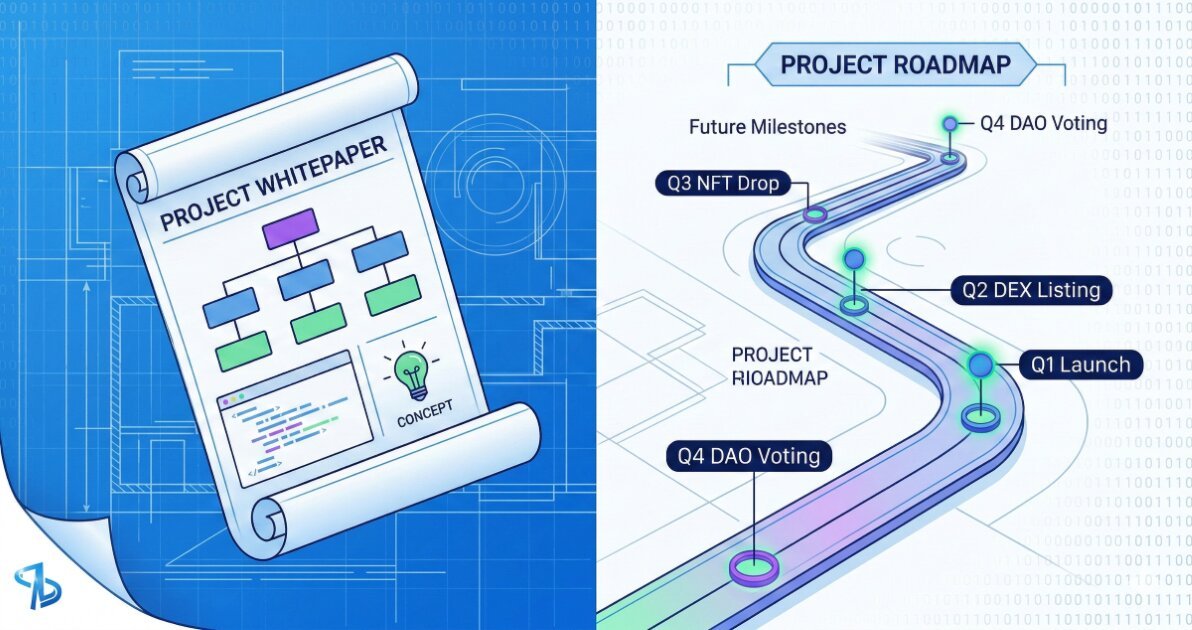
Podcasts (Bankless, Uncommon Core, The Defiant) interview protocol founders, core developers, and researchers. Listen for technical roadmap details, design trade offs in upcoming features, and unscripted commentary on competitive dynamics. Transcripts sometimes reveal specifics not published elsewhere.
Regulatory and Compliance Trackers
Regulatory actions alter which protocols you can access, how stablecoins maintain pegs, and whether certain derivatives remain available. The SEC, CFTC, and EU regulatory bodies publish enforcement actions, proposed rulemakings, and public comment periods on their official sites. Bookmark the dockets and set alerts for keywords like “digital asset,” “stablecoin,” or “decentralized exchange.”
Law firms specializing in crypto (Anderson Kill, Debevoise, others) publish client alerts summarizing new guidance or court decisions. These summaries translate dense legal filings into actionable implications for protocol operators and users.
Worked Example: Tracking a Collateral Parameter Change
Suppose you hold a leveraged CDP position on a lending protocol using Token X as collateral. You monitor the protocol’s governance forum via RSS and notice a proposal to reduce the collateral factor for Token X from 75% to 60%, citing low liquidity on secondary markets.
You check the Snapshot vote timeline: the proposal enters voting in three days and executes two days after passing. You query Dune Analytics to confirm that Token X liquidity has indeed declined by 40% over the past month. You cross reference the proposal author’s address with prior governance participation to assess credibility.
You decide to either close your position or add collateral before the parameter changes. Without monitoring the forum, you would learn about the adjustment only after liquidation thresholds tightened, potentially triggering a liquidation if your health factor dipped below the new threshold.
Common Mistakes and Misconfigurations
- Relying solely on aggregator headlines. Aggregators republish protocol announcements with delay and sometimes misinterpret technical details. Always trace back to the original forum post or blog.
- Ignoring mempool signals during volatile periods. Large liquidation batches or oracle updates queued in the mempool can shift your position health before you react.
- Treating Twitter threads as verified fact. Unverified accounts frequently post fake exploit alerts or misleading governance summaries. Check the block explorer and official channels.
- Skipping postmortem reports after exploits. Understanding how an attack worked reveals whether your other positions share the same vulnerability class.
- Not subscribing to protocol specific channels. RSS feeds, Discord announcement channels, and Telegram bots deliver time sensitive updates faster than visiting websites manually.
- Overlooking regulatory dockets. Comment periods for stablecoin rules or DeFi classification proposals close on fixed deadlines. Missing the window means you cannot influence outcomes that affect your protocol access.
What to Verify Before You Rely on This
- Check that the protocol’s governance forum URL matches the one linked from the official website. Phishing sites clone forum layouts.
- Confirm that security alert accounts are verified or widely cited by established researchers before trusting exploit claims.
- Review the publication date and author credentials for investigative articles. Some outlets recycle old exploit stories without noting the timeframe.
- Verify that onchain dashboards query the correct contract addresses, especially after protocol upgrades or token migrations.
- Cross reference regulatory summaries with the original filing or court document. Summaries sometimes overstate or understate the scope of new rules.
- Test RSS feeds and webhook integrations to ensure they trigger on new posts. Misconfigured feeds miss updates.
- Confirm that the mempool monitoring service covers the specific chain and RPC endpoint you care about. Not all services track every L2 or sidechain.
- Check whether a protocol announcement blog migrated to a new domain or platform. Outdated bookmarks point to abandoned sites.
Next Steps
- Compile a monitoring dashboard with block explorer bookmarks, governance forum RSS feeds, and security alert Telegram channels for the five protocols where you hold the largest positions.
- Set up alerts for large onchain transfers involving your collateral tokens or liquidity pool pairs using services that parse transaction logs.
- Schedule a weekly review of postmortem reports from Rekt News or security firms to study attack patterns and assess whether your active protocols share similar contract structures.
Category: Crypto News & Insights