Selecting a Crypto Exchange for UAE Residency and Compliance

Choosing a crypto exchange as a UAE resident or entity requires balancing local regulatory compliance, fiat currency onramps, and the operational constraints imposed by both UAE banking partners and the exchange’s own jurisdiction. This article examines the technical and regulatory criteria that matter when evaluating exchanges for UAE use, with a focus on verifiable mechanics rather than subjective rankings.
Regulatory Framework and Licensing Tiers
The UAE offers multiple free zones with distinct crypto regulatory regimes. The Dubai Virtual Assets Regulatory Authority (VARA) governs exchanges operating in or marketing to Dubai, while the Abu Dhabi Global Market (ADGM) administers its own Financial Services Regulatory Authority (FSRA). Exchanges may hold licenses from one, both, or neither authority while still serving UAE users through offshore entities.
Check whether an exchange operates a VARA licensed entity in Dubai or an FSRA licensed entity in ADGM. Licenses impose capital requirements, custody standards, and ongoing reporting obligations that affect operational continuity. Offshore exchanges without UAE licenses can still accept UAE residents but offer no local regulatory recourse. Know which legal entity you contract with and where it is domiciled, as this determines your dispute resolution path and the regulatory protections that apply.
Some exchanges maintain separate legal entities for retail and institutional clients. The entity serving retail users may differ in capitalization and insurance coverage from the institutional arm. Review the terms of service to identify the counterparty and confirm it matches the licensed entity you expect.
AED Liquidity and Fiat Settlement Rails
UAE dirham settlement requires either a direct banking relationship in the UAE or routing through a licensed payment service provider. Exchanges offering AED pairs typically partner with UAE banks or regional payment processors. The settlement speed and available deposit methods vary based on these relationships.
Domestic wire transfers through UAE banks typically settle within a few hours during business days. International wires routed to foreign bank accounts and converted to AED introduce multi day settlement times and foreign exchange spread costs. Some exchanges support instant AED deposits via payment gateways but cap transaction sizes below wholesale trading thresholds.
Verify the deposit methods, withdrawal limits, and processing times for AED specifically. Generic “fiat support” often means only USD or EUR, with AED available only through indirect conversion at unfavorable spreads. Check whether AED balances earn yield or remain in segregated accounts, as this affects both returns and bankruptcy remoteness.
Order Book Depth and Execution Quality for Regional Hours
Liquidity fragmentation is pronounced during UAE trading hours (approximately 09:00 to 17:00 GST). Global exchanges with 24/7 markets still experience lower liquidity during Asian and Middle Eastern daylight hours when US and European market makers are offline. This affects slippage on larger orders and the viability of limit orders at tight spreads.
Compare order book depth for your target trading pairs during GST business hours. Spot a 1% market depth figure for major pairs like BTC/USDT or ETH/USDT during multiple sample periods in the 10:00 to 15:00 GST window. Exchanges with strong Asian market maker participation often provide better execution than purely Western focused platforms.
If you trade derivatives, check funding rate timestamps and settlement times. Perpetual swap funding typically settles every eight hours. Confirm that settlement times do not cluster during your active trading window, as funding rate volatility spikes near settlement.
Custody Models and Proof of Reserves
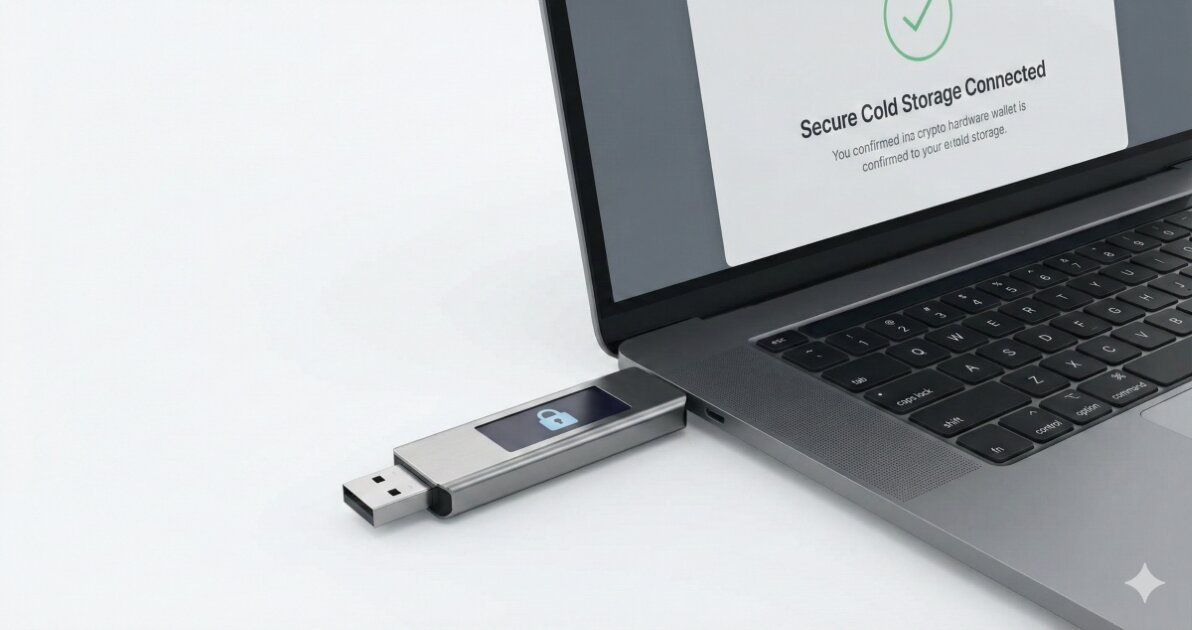
Exchanges implement varying custody architectures. Some hold all assets in hot wallets for immediate withdrawal, others use cold multisig vaults with time delayed withdrawals, and a few employ third party qualified custodians.
Request documentation on the custody setup. Third party custodians publish monthly attestation reports. Self custody platforms sometimes publish Merkle tree proofs of reserves that allow users to verify their balances are backed by onchain holdings. Note that proof of reserves does not prove the absence of liabilities. Full proof of solvency requires both asset proof and liability disclosure, which few exchanges provide in real time.
Understand the withdrawal processing workflow. Automated hot wallet withdrawals complete in minutes. Manual approvals from cold storage can take 24 to 48 hours. Time delayed multisig wallets impose a fixed waiting period, typically 24 or 48 hours, that cannot be bypassed even for small amounts. Factor these delays into your liquidity management.
Worked Example: AED Onboarding and USDT Acquisition
A Dubai entity wants to convert 500,000 AED to USDT for deployment into a DeFi protocol.
- The entity deposits AED via domestic wire to the exchange’s UAE bank account. The exchange credits the AED balance within four hours on a weekday.
- The entity places a limit order to buy USDT at the current best ask, checking the order book depth first. A 500,000 AED order at current exchange rates equals approximately 136,000 USDT. If the order book shows only 50,000 USDT within 0.1% of mid, the entity splits the order or uses a TWAP execution algo to avoid moving the market.
- After execution, the entity withdraws USDT to a noncustodial wallet. If the exchange uses hot wallets, withdrawal completes in 15 minutes. If cold storage is required, the withdrawal enters a queue and processes within 24 hours.
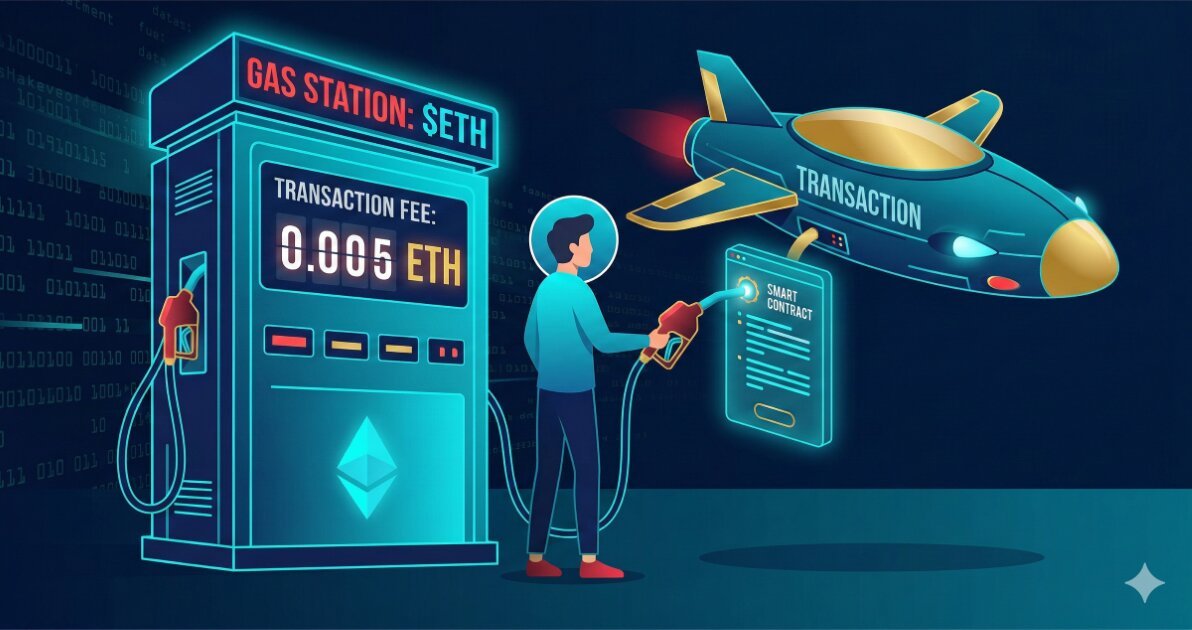
- The entity monitors the Tron or Ethereum network (depending on USDT token standard selected) for confirmation. Tron confirmations finalize faster but DeFi protocol support favors Ethereum. The entity must choose the correct network or risk losing funds to an unsupported deposit address.
Total time from AED deposit to onchain USDT availability ranges from five hours (hot wallet, good liquidity) to 50 hours (cold storage, weekend deposit).
Common Mistakes and Misconfigurations
- Assuming VARA license equals full local custody. Some VARA licensed exchanges custody assets offshore and route trades through foreign affiliates. Verify where your assets are held.
- Ignoring network selection during withdrawal. Withdrawing USDT on Tron to an Ethereum only address burns the funds permanently. Exchanges do not reverse crosschain errors.
- Using market orders during low liquidity windows. GST late night hours overlap with thin global liquidity. Market orders can suffer 1% or more slippage on moderate size trades.
- Conflating trading volume with available liquidity. 24 hour volume includes wash trading and bot activity. Order book depth at your execution size matters more.
- Treating stablecoin balances as insured deposits. Exchange held USDT or USDC balances are unsecured claims against the exchange, not bank deposits. In bankruptcy, you become an unsecured creditor.
- Skipping two factor authentication setup. UAE SIM swap fraud remains common. Use app based 2FA or hardware keys, not SMS.
What to Verify Before You Rely on This
- Current VARA and ADGM license status for the exchange and the specific legal entity you contract with.
- Supported AED deposit and withdrawal methods, limits, and current processing times published by the exchange.
- Order book depth for your trading pairs during your typical trading hours, sampled over several days.
- Custody model, withdrawal processing times, and whether proof of reserves is published and how recently.
- The blockchain networks supported for each token you plan to withdraw, and whether the exchange clearly labels network selection during withdrawal.
- Insurance coverage specifics, including coverage limits, which assets are covered, and which events trigger claims.
- Whether the exchange reports to UAE tax authorities and how transaction records are formatted for tax filing.
- Any recent changes to terms of service regarding dispute resolution, particularly arbitration clauses and governing law.
- Current fee schedule for your expected trade sizes, noting any volume based discounts or maker/taker distinctions.
Next Steps
- Open accounts with two or three exchanges that meet your regulatory and operational criteria to avoid single points of failure during maintenance or liquidity events.
- Test the full deposit, trade, and withdrawal cycle with a small amount to measure actual processing times and identify friction points before committing large balances.
- Set up API access and test order placement, balance queries, and withdrawal automation if you plan programmatic trading, ensuring your infrastructure handles rate limits and authentication correctly.
Category: Crypto Exchanges