Evaluating Crypto Exchange Safety: A Technical Framework for Custody and Counterparty Risk

When you hold assets on a centralized exchange, you rely on operational security, reserves management, and legal structure. “Safest” resolves into a set of verifiable practices around custody architecture, insurance mechanics, regulatory supervision, and withdrawal mechanisms. This article outlines the technical and structural factors that differentiate exchange risk profiles and walks through a decision framework for practitioners managing counterparty exposure.
Custody Architecture and Multisig Controls
The exchange’s wallet infrastructure determines how quickly assets can be moved and who holds signing authority. Safe custody relies on several layers:
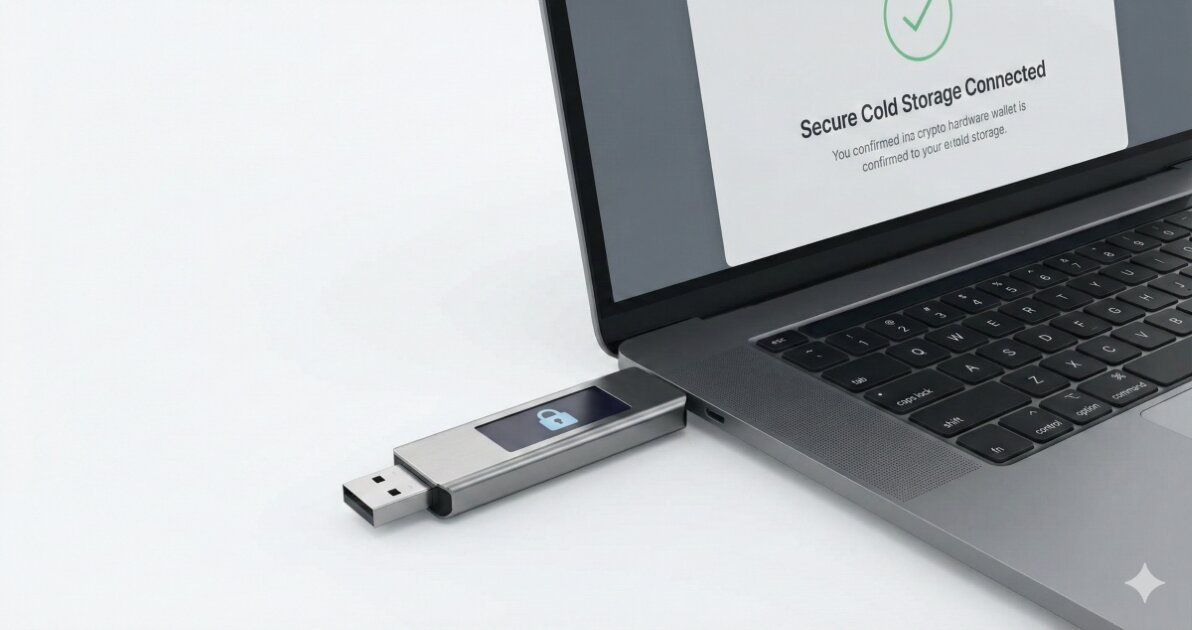
Cold wallet ratios. Exchanges typically publish the percentage of user funds stored offline in cold wallets versus hot wallets that process withdrawals. A higher cold ratio (often 90 to 98 percent) limits exposure to online attacks but requires manual intervention for reserve movements. Ask how often the exchange rebalances between hot and cold storage and what triggers a manual cold wallet sweep.
Multisignature thresholds. Cold wallets should require multiple parties to sign a transaction, usually in an m of n configuration (for example, 3 of 5 signers). Verify whether signers include external custodians or only internal staff. Some exchanges publish their multisig addresses onchain so you can inspect signer changes and transaction history.
Geographic and organizational separation. Signers distributed across jurisdictions and reporting lines reduce the risk that a single compromise or legal action freezes all funds. Check if the exchange discloses signer separation in audit reports or transparency pages.
Proof of Reserves and Attestation Depth
Proof of reserves reports demonstrate that the exchange controls onchain assets equal to or exceeding user liabilities. Quality varies significantly.
Merkle tree inclusion. A proper proof lets each user verify that their balance appears in the liability snapshot without revealing other account details. The exchange publishes a Merkle root; you hash your balance and check the inclusion proof. Auditors then attest that onchain assets exceed the liability total.
Scope and frequency. Some exchanges publish monthly attestations; others update quarterly or only after major events. Verify which assets are included. Bitcoin and Ethereum are straightforward to prove onchain; ERC20 tokens and Layer 2 positions require additional disclosure. Offchain assets (fiat, loans, or positions on other platforms) may not appear in the proof.
Auditor independence. Third party auditors should have blockchain forensics capability and no financial stake in the exchange. Review the attestation letter for scope limitations and whether the auditor verified both the onchain holdings and the user liability data integrity.
Regulatory Supervision and Jurisdictional Protections
Exchanges operating under securities or banking regulation face periodic examinations, capital requirements, and consumer protection rules that self regulated platforms do not.
Licensing regimes. Some jurisdictions require exchanges to hold money transmitter licenses, virtual asset service provider registrations, or derivatives licenses. Each comes with auditing, capital, and reporting obligations. An exchange regulated in New York under a BitLicense faces different requirements than one operating from an offshore zone with minimal oversight.
Segregated accounts and bankruptcy remoteness. In certain jurisdictions, user funds held in segregated accounts may receive priority in bankruptcy proceedings or remain outside the exchange’s estate entirely. Review the exchange’s terms of service for language about commingling, rehypothecation, and ownership of deposited assets. If the terms state the exchange holds customer crypto “for the benefit of” users in a trust or custodial arrangement, that structure may provide stronger protections than a simple deposit.
Insurance mechanisms. Some exchanges maintain insurance against theft or hacking, either through traditional policies or self funded reserve pools. Verify coverage limits, exclusions, and whether the policy covers user losses or only the exchange’s corporate assets. Many policies exclude losses from insider fraud, social engineering, or protocol exploits.
Withdrawal Processing and Circuit Breakers
An exchange’s withdrawal policies reveal how it balances liquidity and risk controls.
Automated versus manual review thresholds. Small withdrawals may process instantly from hot wallets. Larger amounts trigger manual review or cold wallet signing. Ask what threshold triggers manual processing and typical turnaround times. Exchanges that batch large withdrawals daily or weekly introduce timing risk but reduce hot wallet exposure.
Rate limits and daily caps. Per user and aggregate withdrawal limits prevent rapid drainage during an attack or bank run. Check if limits reset on a rolling 24 hour window or calendar day boundary. Some exchanges waive limits for users who complete enhanced verification, introducing a tradeoff between speed and privacy.
Whitelisting and cooldown periods. Address whitelisting requires users to pre approve withdrawal destinations. Adding a new address may impose a 24 to 48 hour delay before the first withdrawal. This slows down attackers who compromise an account but also complicates urgent transfers.
Worked Example: Assessing a Multi Asset Position
You hold 5 BTC, 100 ETH, and 50,000 USDC on an exchange. Start by identifying the proof of reserves scope. If the latest attestation covers BTC and ETH but excludes stablecoins, you can verify two thirds of your position onchain. Download your account balance hash and verify inclusion in the published Merkle tree.
Next, check the custody disclosures. If the exchange reports 95 percent cold storage and you see your BTC address in a known cold wallet cluster onchain, that portion has lower online risk. The USDC may sit in a hot wallet smart contract for DeFi integrations or instant swaps, increasing exposure.
Review the terms of service. If the document states the exchange may lend, stake, or rehypothecate your assets without explicit consent, your USDC or ETH could be deployed in external protocols. Cross reference the proof of reserves footnotes for any mention of borrowed or encumbered assets.
Finally, simulate a large withdrawal. If your intended amount exceeds the automated threshold, contact support to confirm manual processing time and whether the exchange batches cold wallet sweeps. Plan the withdrawal timing around market volatility or planned maintenance windows.
Common Mistakes and Misconfigurations
-
Treating proof of reserves as proof of solvency. Attestations verify that assets exceed liabilities at a snapshot in time but do not account for offchain debts, undisclosed loans, or operational losses. An exchange with complete reserves can still become insolvent if it owes fiat to creditors or faces legal judgments.
-
Ignoring liability side manipulation. An exchange could borrow assets temporarily to pad the reserves snapshot or exclude certain user accounts from the liability calculation. Check whether the auditor verified the completeness of the user database and matched hashed balances to internal records.
-
Assuming insurance covers all loss scenarios. Policies often exclude smart contract bugs, market manipulation, or losses from assets the exchange custodies but does not own. Read the coverage summary for per incident caps and deductibles.
-
Overlooking jurisdictional arbitrage in multijurisdiction structures. An exchange may hold user funds in Entity A (offshore, minimal regulation) while its brand and marketing operate through Entity B (onshore, regulated). In a bankruptcy, users may discover their claims fall under the offshore entity’s weaker protections.
-
Relying on historical uptime as a safety proxy. An exchange that has never been hacked may simply have not yet been targeted or may not disclose prior incidents. Operational longevity matters, but verify current security practices rather than extrapolating from the past.
-
Confusing hot wallet limits with total liquidity. An exchange can process withdrawals up to its hot wallet balance without delay, but accessing cold funds introduces lag. During market stress, hot wallets drain quickly, and manual cold sweeps may not keep pace with demand.
What to Verify Before You Rely on This
- Latest proof of reserves publication date and scope (which assets, which liabilities).
- Merkle tree root and your account inclusion proof; verify the hash matches your balance snapshot.
- Regulatory licenses and registrations in your jurisdiction and the exchange’s domicile.
- Current insurance policy limits, covered perils, and exclusions (if publicly disclosed).
- Withdrawal processing thresholds, cooldown periods, and whether address whitelisting is mandatory or optional.
- Terms of service language on asset ownership, segregation, and whether the exchange may lend or stake your deposits.
- Recent security audits or penetration test summaries, particularly for wallet infrastructure and API endpoints.
- Onchain wallet addresses for major cold storage holdings; track large movements or signer changes.
- Bankruptcy or insolvency framework in the exchange’s jurisdiction, including user priority and segregation rules.
- Hot wallet replenishment frequency during high withdrawal volume periods.
Next Steps
- Export your current balances and verify inclusion in the exchange’s latest Merkle proof; document the root hash and timestamp.
- Compare the exchange’s published cold wallet addresses against onchain activity; flag any recent large transfers or signer rotations.
- Establish withdrawal whitelists for your primary destination addresses and test a small withdrawal to measure processing time and confirm the address works as expected.
Category: Crypto Exchanges