Evaluating and Preparing for Crypto Airdrops: A Technical Framework
Crypto airdrops distribute tokens to wallets based on onchain criteria like protocol usage, governance participation, or snapshot balances. For traders and protocol participants, airdrops represent potential value capture, but evaluating announcements, satisfying eligibility conditions, and claiming safely requires a structured approach. This article covers the mechanics of airdrop distribution, how to assess announcements, and the operational steps to maximize capture while avoiding common security and tax pitfalls.
Airdrop Mechanics and Distribution Models
Most airdrops follow one of three distribution patterns. Retroactive airdrops reward past onchain activity detected via snapshot. The protocol queries historical state at a specific block height, filtering addresses by criteria like transaction count, total value locked, or unique contract interactions. Prospective airdrops require completing tasks after announcement, such as testnet participation or staking. Hybrid models combine historical snapshots with ongoing requirements, often vesting tokens over time.
Distribution occurs either via claimable contracts or direct transfers. Claimable airdrops require the recipient to execute a transaction, paying gas to call a claim function and prove eligibility (often via Merkle proof). Direct transfers push tokens to wallets without user action. Claimable models let protocols defer gas costs to users and enable more complex eligibility logic. Direct transfers simplify UX but may send tokens to inactive or compromised addresses.
Vesting schedules add temporal conditions. Linear vesting releases tokens proportionally over a period. Cliff vesting locks tokens until a date, then releases fully or begins linear unlock. Some airdrops tie vesting to continued protocol use, requiring staking or governance votes to accelerate unlock.
Parsing Airdrop Announcements
Announcements vary in detail. Key parameters to extract include snapshot block height, eligibility criteria, total allocation, per address caps, claim window duration, and vesting terms. Missing or vague criteria signal either incomplete planning or intentional ambiguity to deter farming.
Snapshot block height determines the data used for eligibility. Protocols often choose a block several days before announcement to prevent last minute farming. Verify the block timestamp and your address state at that height using an archive node or block explorer with historical balance queries.
Eligibility criteria range from simple (held token X) to complex (executed at least Y swaps totaling Z value across N distinct pools). Weighted formulas often combine multiple factors. Sybil resistance mechanisms like minimum transaction thresholds, time weighted participation, or excluding addresses funded by common sources aim to reduce airdrop farming impact. Assess whether your addresses meet thresholds before expending gas on claims.
Evaluating Airdrop Quality
Not all airdrops justify the gas cost or tax complexity of claiming. Token utility determines baseline value. Governance only tokens carry value tied to protocol treasury or fee switches. Tokens with staking rewards, fee rebates, or protocol revenue sharing mechanisms have clearer value accrual. Check if the token has trading liquidity. Airdrops with no liquid market create tax obligations without easy exit options.
Token supply and vesting schedules affect dilution. Compare circulating supply at launch to total supply and insider vesting timelines. Airdrops representing a small fraction of total supply with large team or investor unlocks pending may face sustained sell pressure.
Protocol fundamentals matter. Review total value locked trends, fee generation, competitive moat, and development activity. An airdrop from a protocol with declining usage or unaudited contracts carries different risk than one from an established platform with multiple audits and sustained growth.
Claiming Process and Security Considerations
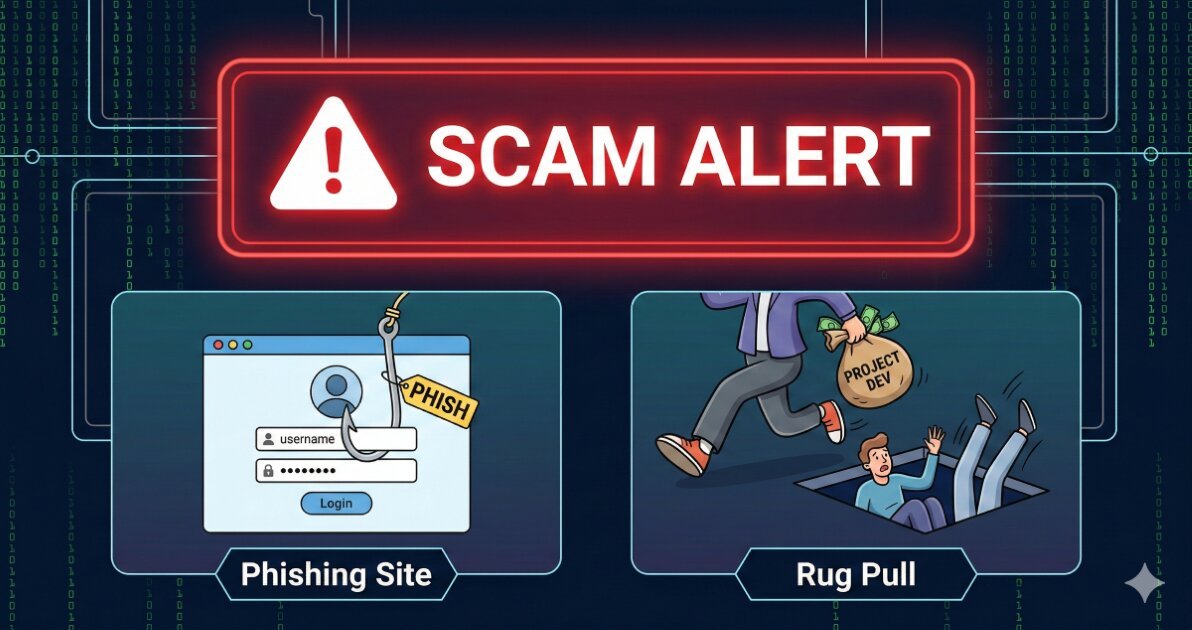
Before claiming, verify the claim contract address through multiple official channels. Attackers announce fake airdrops or deploy phishing sites mimicking real claim interfaces. Cross reference contract addresses from protocol documentation, verified social accounts, and blockchain explorers showing the deployment transaction from a known team address.
Simulate the claim transaction before executing. Tools like Tenderly or built in wallet simulation show state changes, token movements, and contract calls. Unexpected approvals, token transfers beyond the airdrop amount, or calls to unfamiliar contracts indicate malicious logic.
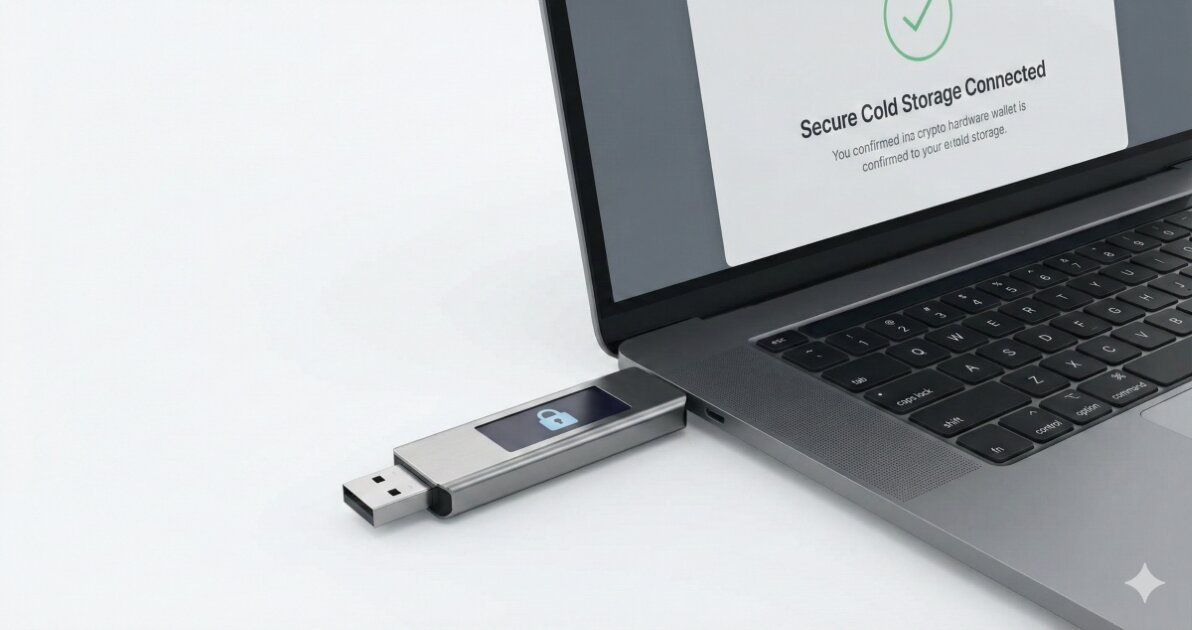
Use a clean environment for high value claims. Browser extensions can inject malicious transaction modifications. For significant airdrops, consider using a hardware wallet or fresh browser profile without extensions. Verify all transaction parameters in the wallet interface match expected values: recipient address, claim amount, contract interaction.
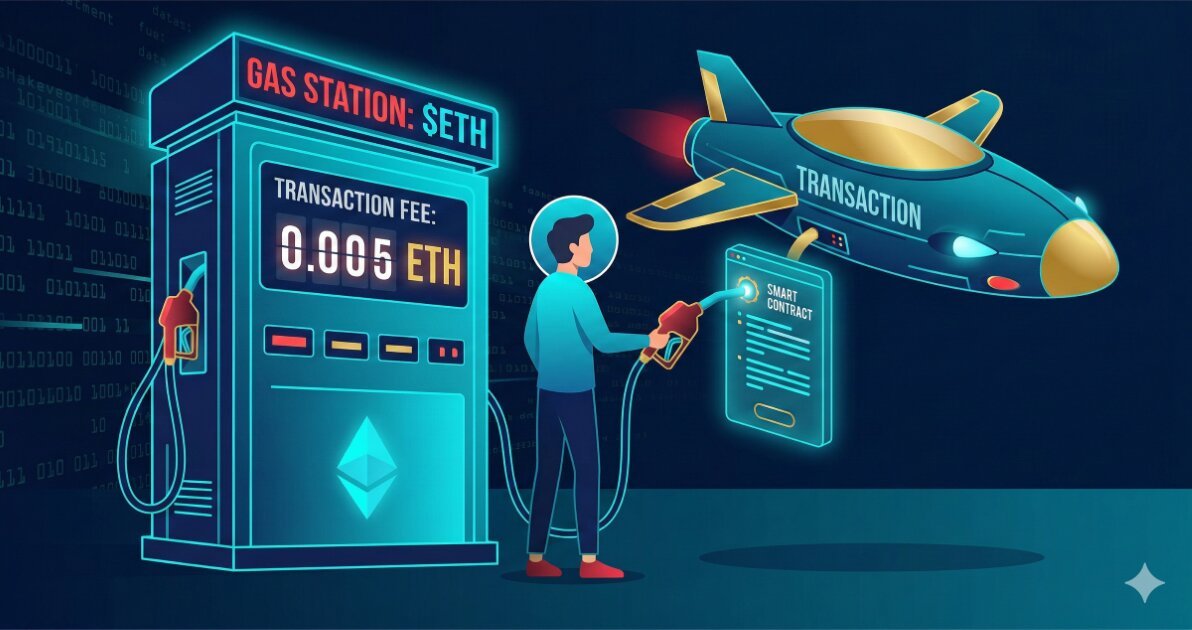
Gas optimization matters for marginal airdrops. If estimated gas cost approaches or exceeds airdrop value, wait for lower network congestion or assess whether claiming is economical. Some protocols offer batch claiming or gasless claiming via relayers accepting a fee in the airdrop token itself.
Worked Example: Snapshot Analysis and Claim Decision
A DeFi protocol announces a retroactive airdrop at block 18500000 for liquidity providers. Eligibility requires at least 30 days of liquidity provision with minimum 1000 USD equivalent. You provided liquidity in two periods: 45 days ending before the snapshot, and 15 days overlapping the snapshot.
Query your address state at block 18500000. Your position shows 1200 USD equivalent for 42 consecutive days ending three blocks before snapshot. Despite meeting the time and value thresholds, you must verify the protocol’s measurement approach. If it requires positions active at snapshot time rather than cumulative history, and you withdrew two days before announcement, you may be ineligible.
Check the claim contract for a view function returning your allocation. Many contracts expose getClaimableAmount(address) or similar. If it returns zero, re examine the eligibility criteria or wait for the protocol to publish a full recipient list with justifications.
Assume eligibility confirms 500 tokens. Research the token: no liquid market exists yet, vesting is 12 months linear, and the whitepaper describes governance only utility. Current gas for claiming is 0.002 ETH (~$5 at typical prices). With no immediate liquidity and uncertain future value, deferring the claim until near the deadline preserves optionality while gas costs may decrease.
Common Mistakes and Misconfigurations
- Claiming from the wrong wallet. Airdrop eligibility is address specific. Claiming from a different address than the eligible one forfeits allocation.
- Not checking contract approval scope. Some malicious claim contracts request unlimited token approvals or permissions beyond the airdrop token. Always review approval amounts.
- Ignoring claim deadlines. Many airdrops set expiration windows, after which unclaimed tokens return to the treasury or burn. Missing the deadline forfeits value.
- Failing to account for gas and tax. Claiming incurs gas costs and often creates a taxable event at the token’s fair market value when received. If the token subsequently drops before selling, you may owe tax on unrealized value.
- Consolidating to exchanges before verifying eligibility. Exchanges rarely distribute airdrops to users holding tokens on their platform. Keeping assets in self custody wallets preserves airdrop capture.
- Trusting unverified airdrop aggregators. Third party sites listing airdrops may include scams or outdated information. Always trace back to official protocol sources.
What to Verify Before You Rely on This
- Claim contract address through official protocol documentation, GitHub repositories, and verified team social accounts
- Snapshot block height and timestamp to confirm your address state at measurement time
- Eligibility criteria details including minimum thresholds, time requirements, and any Sybil resistance filters
- Token contract address to distinguish real tokens from imitation scam tokens with similar names
- Vesting schedule specifics including cliff periods, linear unlock rates, and any activity based acceleration
- Claim window deadline to avoid missing the expiration and forfeiting allocation
- Current gas prices to determine if claiming is economical for the airdrop value
- Tax treatment in your jurisdiction for token airdrops, which may create immediate taxable income
- Token liquidity by checking decentralized exchange pools or centralized exchange listings
- Protocol audit status for both the main protocol and the airdrop claim contract to assess smart contract risk
Next Steps
- Set up address monitoring for protocols you actively use to catch snapshot announcements early and preserve eligibility.
- Maintain a spreadsheet tracking your protocol interactions, including start dates, transaction counts, and cumulative values, to quickly assess eligibility when announcements occur.
- Develop a claiming checklist that includes contract verification steps, transaction simulation, and tax documentation to standardize your process and reduce error risk.
Category: Crypto News & Insights