Custody Models and Security Boundaries Between Wallets and Exchanges
Wallets and exchanges represent different custody and execution layers in crypto infrastructure. A wallet manages private keys and signs transactions. An exchange operates an order book or automated market maker and settles trades against its internal ledger or onchain venues. Understanding where assets reside, who holds signing authority, and how state transitions occur determines your operational security posture and counterparty exposure.
This article examines the architectural boundaries between noncustodial wallets, custodial exchange accounts, and hybrid models. We focus on key management topology, withdrawal authorization flows, and the risk surface created by each design.
Noncustodial Wallet Architecture
A noncustodial wallet stores the private key locally on your device or hardware module. You control the signing operation for every transaction. The wallet software constructs unsigned transactions, presents them for approval, and broadcasts signed payloads to network nodes.
Most modern wallets derive keys from a BIP39 seed phrase using hierarchical deterministic derivation (BIP32/BIP44). Each blockchain address corresponds to a child key at a specific derivation path. The seed phrase acts as the root secret. Losing it means permanent loss of access because no third party holds a recovery copy.
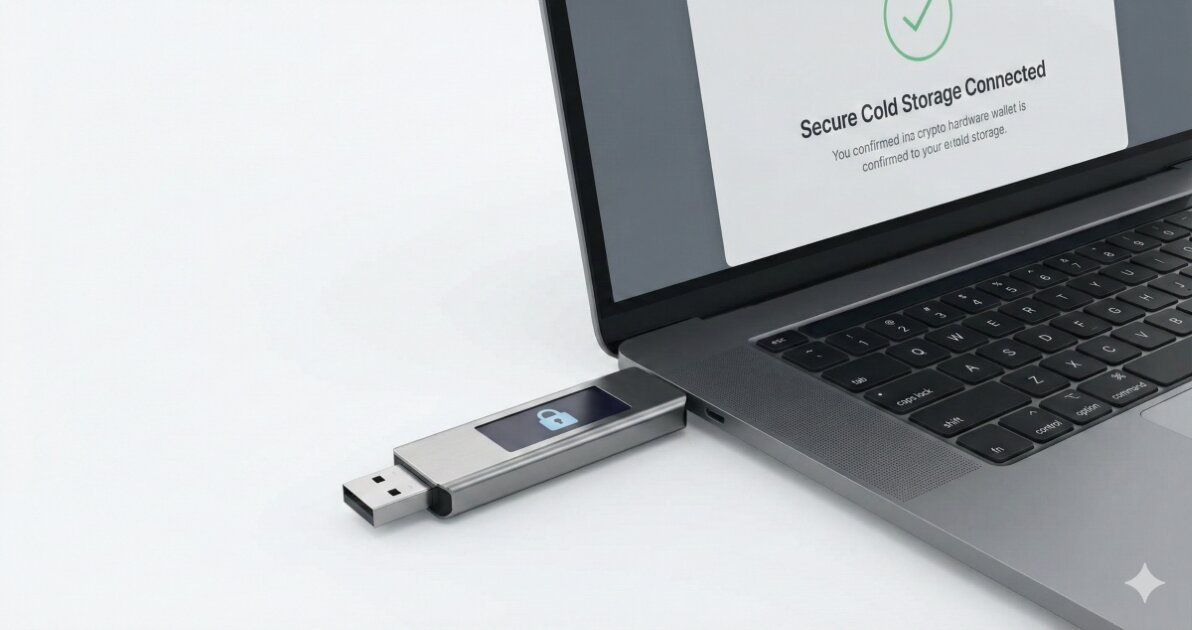
Browser extension wallets store encrypted keystore files in local storage. Mobile wallets use secure enclaves (iOS Secure Enclave, Android StrongBox) to isolate key material from the application layer. Hardware wallets keep keys on dedicated chips that never expose the private key to the host machine, even during signing.
Critical boundary: the wallet never sends your private key to a remote server. All signing happens client side. Network nodes see only the signed transaction and derived public addresses.
Custodial Exchange Accounts
A centralized exchange holds your private keys in pooled hot and cold wallets. You deposit funds to an exchange controlled address. The exchange credits your internal account balance in its database. Trades execute against this ledger without broadcasting onchain transactions for each order fill.
When you place a market or limit order, the matching engine updates database rows. Settlement is instantaneous from the user perspective because it occurs within the exchange’s custody boundary. Withdrawals require the exchange to construct and sign an onchain transaction from its pooled wallet, moving funds to your specified external address.
The exchange implements withdrawal authorization through API keys, two factor codes, email confirmations, or withdrawal whitelist policies. These are application layer controls, not cryptographic proof of ownership. If the exchange is compromised or becomes insolvent, your balance exists only as a database entry backed by the exchange’s pooled reserves.
Risk concentration: you trust the exchange to maintain reserves, implement proper access controls, and honor withdrawal requests. Historical insolvencies (Mt. Gox, FTX, Celsius) demonstrated that internal accounting can diverge from actual reserves without immediate detection by depositors.
Hybrid Custody and Smart Contract Wallets
Smart contract wallets and Layer 2 solutions introduce intermediate models. A smart contract wallet deploys a contract at a deterministic address. The contract logic defines authorization rules (multisig thresholds, guardian recovery, spending limits). You retain self custody because only addresses you control can trigger valid state changes, but the wallet itself is code executing onchain rather than a private key in local storage.
Account abstraction proposals extend this model by allowing gas payment in ERC20 tokens, batched operations, and programmable validation logic. The contract validates signatures and executes bundled transactions submitted by a relayer or bundler service.
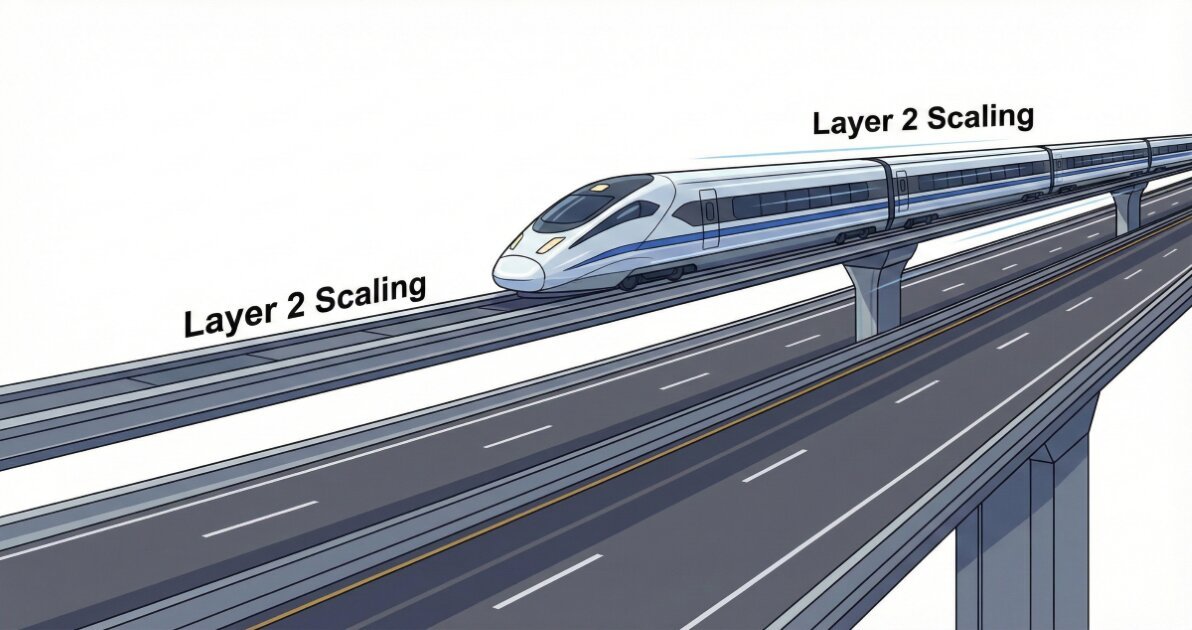
Layer 2 exchanges (dYdX v3, older Loopring versions) used validity proofs or fraud proofs to secure offchain order matching while allowing noncustodial withdrawals. Users sign state updates offchain. The operator aggregates them into batches and posts proofs to Ethereum. You can exit unilaterally by submitting a withdrawal proof to the L1 contract, even if the operator is offline.
These models reduce trust in the operator but introduce smart contract risk. A vulnerability in validation logic or state transition functions can drain user funds despite noncustodial architecture.
Withdrawal and Deposit Flow Mechanics
Deposit to exchange: you initiate an onchain transaction from your wallet to the exchange’s deposit address (often unique per user or reused with a memo field). The exchange monitors the blockchain for incoming transactions. After a specified confirmation threshold (often 12 blocks for Ethereum, 3 for Bitcoin on most platforms), the exchange credits your internal balance.
Withdrawal from exchange: you submit a withdrawal request through the exchange UI or API. The exchange queues the request, applies internal risk checks (velocity limits, AML screening, wallet whitelist), and eventually broadcasts a transaction from its hot wallet. The transaction appears onchain after network confirmation, at which point your noncustodial wallet detects the incoming transfer.
Wallet to wallet transfer: you construct a transaction in your wallet software, specify recipient address and amount, sign with your private key, and broadcast to network nodes. No intermediary approves or batches the operation. Settlement finality depends only on network consensus.
Edge case: if you send funds to an exchange deposit address from a smart contract wallet using a contract call rather than a simple transfer, some exchanges fail to credit the deposit because their monitoring systems filter for standard transfer events. Always verify the exchange supports contract based deposits before initiating.
Common Mistakes and Misconfigurations
Reusing deposit addresses across exchanges without memo tags. Some blockchains (Stellar, EOS, Binance Chain) require a memo or destination tag to route deposits to individual accounts. Omitting the memo sends funds to a pooled address with no internal credit.
Withdrawing to a contract address that cannot handle incoming transfers. Sending tokens to a contract without a fallback or receive function can lock funds permanently. Exchanges often warn against this but cannot reverse the transaction after broadcast.
Storing seed phrases in cloud sync directories or password managers synced to remote servers. Encrypted password manager vaults are safer than plaintext, but any remote copy increases exposure if the service is breached or subpoenaed.
Assuming exchange API keys with withdrawal permission are safe if IP whitelisting is enabled. IP whitelisting provides marginal protection. Attackers who compromise your development machine or cloud instance inherit the whitelisted IP. Use separate API keys for trading and withdrawal, and enable withdrawal whitelist addresses.
Ignoring derivation path standards when recovering a wallet. Different wallets implement BIP44 paths differently (m/44’/60’/0’/0 for Ethereum in most wallets, but hardware wallets sometimes use m/44’/60’/0′). Recovering with the wrong path generates different addresses even from the same seed phrase.
Not verifying withdrawal address on hardware wallet screen. Malware on the host machine can swap the displayed address in wallet software. Always confirm the recipient address on the hardware wallet display before signing.
What to Verify Before You Rely on This
Wallet derivation path and address format. Confirm the wallet uses standard BIP44 paths and generates addresses compatible with the networks you use. Nonstandard paths complicate recovery with other wallet software.
Exchange reserve proof or attestation. Verify whether the exchange publishes Merkle tree proofs of reserves or undergoes third party audits. Absence of proof does not confirm insolvency, but presence increases transparency.
Smart contract wallet audit reports. Check for recent audits from recognized firms (Trail of Bits, OpenZeppelin, Consensys Diligence). Review whether reported issues were resolved.
Withdrawal processing time and limits. Exchanges implement varying withdrawal velocity limits and manual review thresholds. Confirm current limits before depositing amounts you may need to withdraw quickly.
Network confirmation requirements for deposits. Different assets and exchanges require different confirmation depths. Verify the specific threshold to avoid confusion when deposits appear unconfirmed for extended periods.
Hardware wallet firmware version and security advisories. Outdated firmware may contain known vulnerabilities. Check the manufacturer’s site for updates and CVE disclosures.
Exchange domicile and regulatory status. Jurisdictional changes affect withdrawal availability, especially for users in restricted regions. Confirm the exchange still operates legally in your location.
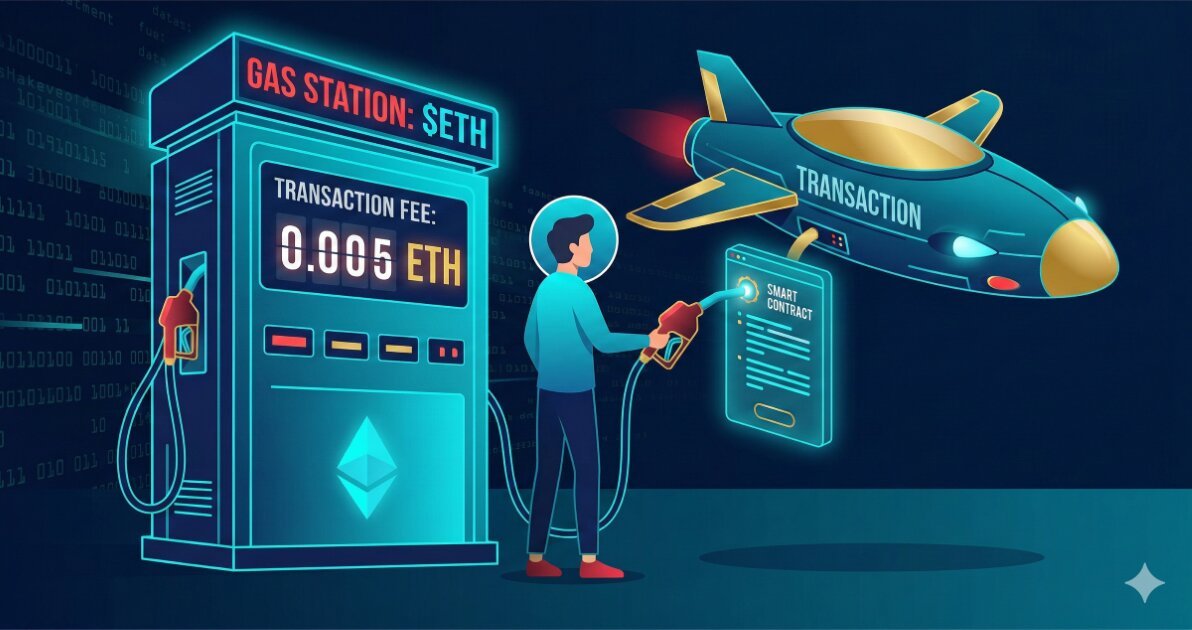
Gas or network fee policies for withdrawals. Some exchanges cover network fees, others deduct fixed amounts that may exceed actual gas cost. Verify the current fee schedule.
API rate limits and key expiration policies. Programmatic access often includes rate limits and mandatory key rotation intervals. Document current limits before building automated flows.
Backup and recovery procedures for each wallet type. Confirm whether the wallet supports seed phrase recovery, social recovery, or other mechanisms. Test recovery on a separate device before relying on it.
Next Steps
Audit your current custody distribution. List all wallets and exchange accounts, note what percentage of holdings each contains, and identify concentrated risk (single points of failure, unaudited smart contracts, exchanges without reserve proof).
Implement graduated custody based on access frequency and amount. Keep active trading balances on exchanges, medium term holdings in software wallets, and long term holdings on hardware wallets or multisig contracts. Define explicit thresholds for moving funds between tiers.
Document and test recovery procedures. Write down seed phrases using metal backups or split secret schemes (Shamir Secret Sharing), store in geographically separate locations, and perform test recoveries on secondary devices to verify the process works.
Category: Crypto Wallets