Crypto Exchange Wallet Architecture: Custody Models, Key Management, and Operational Trade-offs

Crypto exchange wallets are the custodial infrastructure that holds user funds, processes withdrawals, and manages liquidity on centralized trading platforms. They differ fundamentally from self-custody wallets in key control, operational security model, and the trust assumptions they impose. This article examines the technical architecture of exchange wallets, the trade-offs between hot and cold storage schemes, and the failure modes that have led to loss events.
Hot, Warm, and Cold Wallet Topology
Exchanges segment user funds across wallets with different accessibility and security postures. Hot wallets are connected to networked systems and hold funds needed for immediate withdrawals and market-making operations. They typically represent 2 to 10 percent of total assets under custody, though this varies by exchange size and withdrawal velocity.
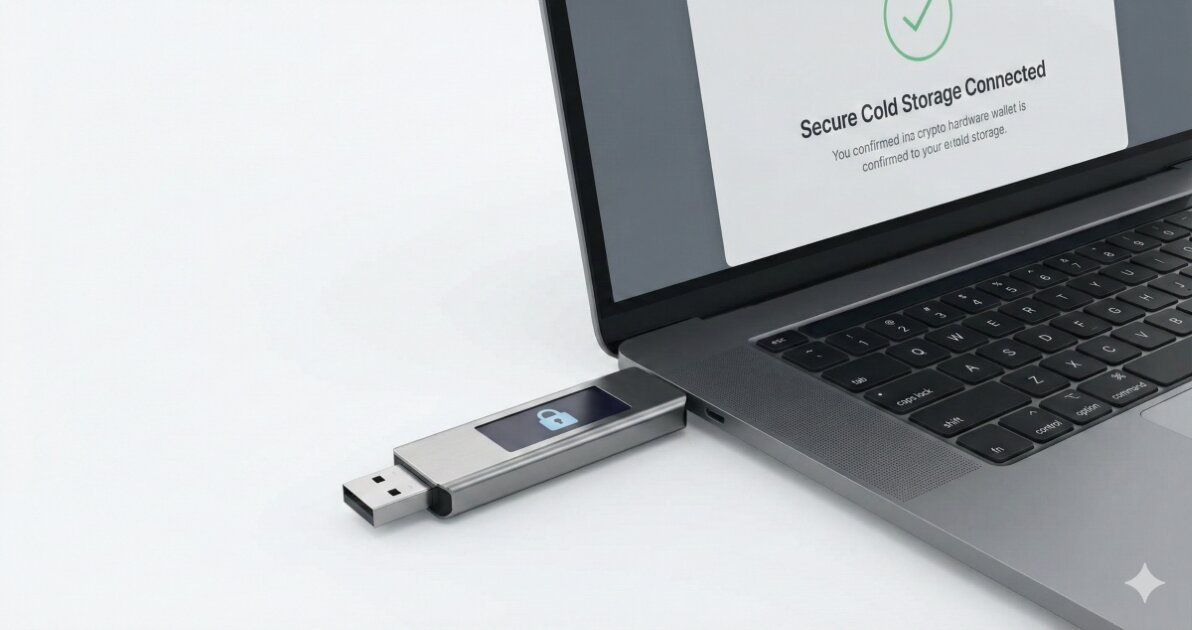
Cold wallets store the majority of user funds offline. Private keys reside on hardware security modules (HSMs), air-gapped machines, or paper backups kept in physical vaults. Transfers from cold storage require manual processes: multisignature authorization, physical access to secure facilities, or time-locked smart contracts on chains that support them.
Warm wallets occupy the middle ground. They may be online but isolated in separate network segments, require multisig approval for outbound transactions, or enforce rate limits and transfer caps. Some exchanges use warm wallets for scheduled batch withdrawals, moving predictable daily volumes from cold to hot storage during low-traffic windows.
The topology reflects a liquidity versus security trade-off. Hot wallets minimize user withdrawal latency but maximize exposure to remote attacks. Cold wallets invert this: high security but operational friction for fund movements.
Multisignature and Threshold Schemes
Most exchanges implement multisignature (multisig) controls on cold and warm wallets. A typical configuration requires M of N authorized signers to approve any outbound transaction. Common schemes include 3-of-5 or 4-of-7, distributing keys across executives, security officers, and sometimes third-party custodians.
Threshold signature schemes (TSS) extend this model by splitting key material such that no single party ever holds a complete private key. During signing, participants generate signature shares that combine cryptographically to produce a valid transaction signature. This eliminates the single point of failure inherent in traditional multisig, where each signer holds a full private key.
TSS also simplifies key rotation. Instead of generating entirely new wallet addresses and migrating funds onchain, the signing group can refresh shares offchain without changing the public address. This reduces gas costs and operational overhead on chains with high transaction fees.
Proof of Reserves and Wallet Transparency
Exchanges periodically publish proof of reserves (PoR) attestations to demonstrate they hold assets matching user liabilities. The process typically involves:
- Snapshot of user balances at a specified block height, hashed into a Merkle tree so individual users can verify inclusion without exposing the full database.
- Onchain wallet addresses published or signed by known exchange-controlled keys.
- Cryptographic signature from those addresses proving control at the snapshot time.
PoR does not guarantee solvency. An exchange can borrow assets temporarily to inflate reserves during the snapshot window, then return them immediately after. It also does not account for liabilities outside user deposits (debts, operational obligations, or derivative positions). Some protocols and auditors now require continuous reserve monitoring rather than point-in-time snapshots.
Withdrawal Processing and Fee Batching
When a user requests a withdrawal, the exchange queues the transaction and decides which wallet will fund it. Small withdrawals typically draw from hot wallets for speed. Larger requests may trigger manual review, multisig approval, or batching into scheduled cold wallet transfers.
Batching reduces onchain fees by consolidating multiple user withdrawals into a single transaction with multiple outputs. On Bitcoin, exchanges use transaction batching extensively. On Ethereum and EVM chains, batching is less common for ERC-20 transfers but occurs for native ETH withdrawals.
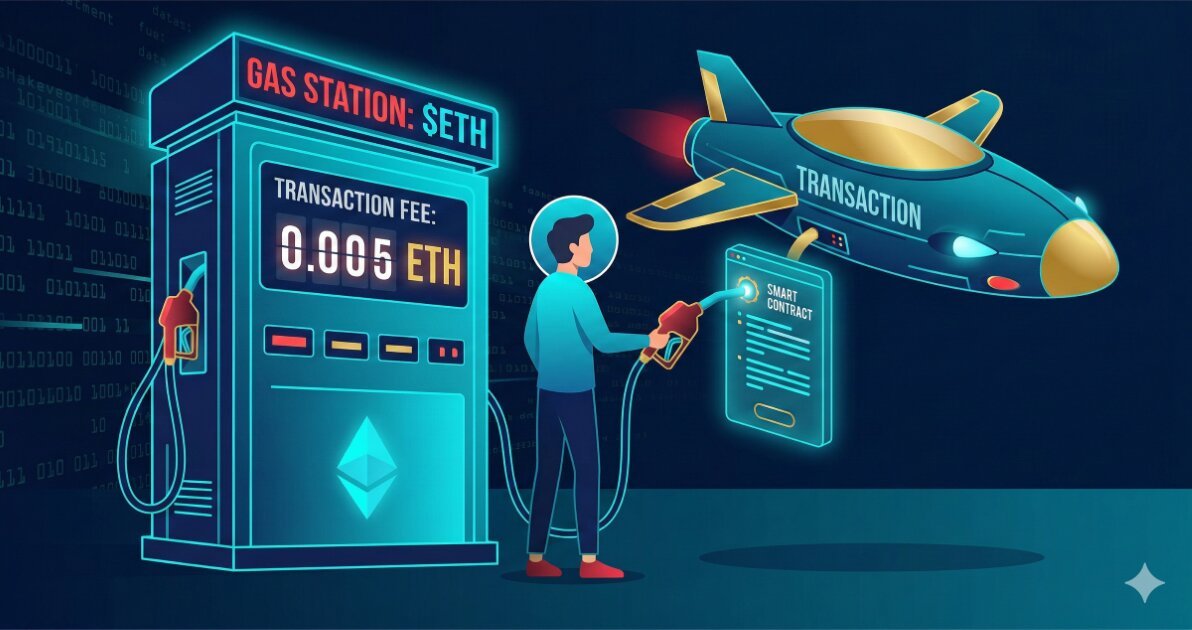
Exchanges also adjust gas or fee rates dynamically. During network congestion, some platforms either delay non-urgent withdrawals or pass incremental costs to users. Others maintain fixed withdrawal fees and absorb volatility, which can erode margins during fee spikes.
Failure Modes and Historical Loss Events
Exchange wallet compromises fall into several categories:
Hot wallet exploits occur when attackers gain remote access to online signing infrastructure. In several documented incidents between 2018 and 2022, exchanges lost amounts ranging from tens of millions to over $600 million in a single event. These breaches often exploited insufficient network segmentation, weak API key management, or insider access.
Cold wallet failures are rarer but catastrophic. Loss of private keys, death or disappearance of key holders, and physical theft from custody vaults have all occurred. Multisig setups mitigate single points of failure but introduce coordination risk if signers become unavailable or uncooperative.
Smart contract bugs affect exchanges operating on chains with programmable custody. Time-lock contracts, multisig wallets deployed via factory patterns, and automated rebalancing scripts have all introduced vulnerabilities. One 2022 incident involved a misconfigured access control function that allowed unauthorized withdrawals from a warm wallet contract.
Operational errors include sending funds to incorrect addresses, mismanaging nonce sequences in batch transactions, and失败to account for token decimal precision (leading to over-distribution).
Worked Example: Withdrawal Flow with Tiered Authorization
A user requests withdrawal of 50 BTC from an exchange.
- The platform checks the request against the user’s verified balance and applies any withdrawal limits tied to KYC tier.
- The system flags the amount as exceeding the hot wallet auto-approval threshold (say, 10 BTC).
- The request enters a manual review queue. A security operator verifies the destination address is not flagged and approves the transaction for multisig signing.
- Three of five designated signers (geographically distributed executives) receive notifications. Each reviews transaction details and signs using their HSM-stored key share.
- Once the threshold is met, the exchange broadcasts the transaction from a cold wallet address.
- The user sees the transaction confirmed onchain approximately 30 to 90 minutes after the initial request, depending on queue depth and signer availability.
Common Mistakes and Misconfigurations
- Reusing deposit addresses across multiple users without proper internal accounting, making reconciliation difficult and exposing the full deposit flow to blockchain analysis.
- Insufficient monitoring of wallet balances relative to liabilities, allowing unnoticed fund drainage or operational shortfalls.
- Storing backup keys in the same physical or cloud location as primary keys, negating geographic redundancy.
- Failing to test cold wallet recovery procedures regularly, discovering signing quorum issues only during emergencies.
- Using single-signature hot wallets for amounts that exceed acceptable loss thresholds, typically anything beyond a few hours of expected withdrawal volume.
- Mixing omnibus wallets for multiple assets without clear segregation, complicating audits and increasing the blast radius of a compromise.
What to Verify Before You Rely on This
- Current withdrawal limits and fee structures, which vary by user tier and can change with little notice.
- Whether the exchange publishes wallet addresses or proof of reserves, and how recently the last attestation occurred.
- The multisig scheme and signer distribution. Some exchanges disclose M-of-N ratios; others do not.
- Insurance or security fund coverage, including caps, exclusions, and whether it applies to all asset types or only specific tokens.
- Jurisdictional legal standing. In some regions, user funds held in exchange wallets may not receive the same bankruptcy protections as segregated customer accounts in traditional finance.
- Network fee policies during congestion. Confirm whether the exchange absorbs costs, delays withdrawals, or passes fees to users.
- Historical uptime and withdrawal processing speed during high-volume periods or market stress.
- Whether the platform supports emergency withdrawal mechanisms (proofs, CSV exports) in case of platform outage or insolvency proceedings.
- Cold wallet refresh and key rotation schedules, if disclosed. Infrequent rotation may indicate operational complacency.
Next Steps
- Audit your current exchange balances against recent onchain proof of reserves publications and verify your deposit addresses are included in the published wallet set.
- Establish personal withdrawal thresholds. For amounts exceeding daily operational needs, consider periodic transfers to self-custody wallets with known key management practices.
- Monitor exchange wallet flows using blockchain explorers or analytics platforms. Sudden large outflows from known cold wallets can signal liquidity stress or precede insolvency announcements.
Category: Crypto Wallets