How to Evaluate and Route Crypto News in Real Time
Crypto markets generate thousands of news items daily across protocol upgrades, exploit disclosures, regulatory filings, token launches, and liquidity events. Your ability to parse signal from noise determines whether you capture alpha or chase ghosts. This article covers the technical framework for triaging breaking crypto news: which data sources to query, how to verify claims before acting, and common routing errors that turn actionable intelligence into costly missteps.
Source Hierarchy and Trust Scoring
Not all crypto news sources carry equal verification weight. Primary sources include onchain transaction records, GitHub commits, official protocol documentation, and regulator filings. Secondary sources such as aggregators, influencer accounts, and news outlets interpret primary data but introduce delay and potential distortion.
Build a trust tier system. Tier 1 sources publish raw data with cryptographic proof: block explorers for transaction finality, GitHub for code changes, foundation blogs for governance outcomes. Tier 2 sources aggregate and contextualize but lack direct provenance: reputable crypto newsrooms with editorial processes. Tier 3 sources amplify without independent verification: social media accounts, unattributed Telegram forwards, content farms.
Route each incoming item to its trust tier before analysis. A Tier 1 alert about a critical vulnerability in a lending protocol requires immediate action. The same claim from a Tier 3 source demands independent confirmation via block explorer queries or direct contract inspection before position changes.
Verification Pathways for Common Event Types
Different news categories require different verification steps. Protocol exploits demand onchain confirmation: query the target contract for abnormal outflows, check if pause functions were triggered, trace token movements to known exploit aggregator addresses. Do not rely solely on Twitter screenshots or unverified loss estimates.
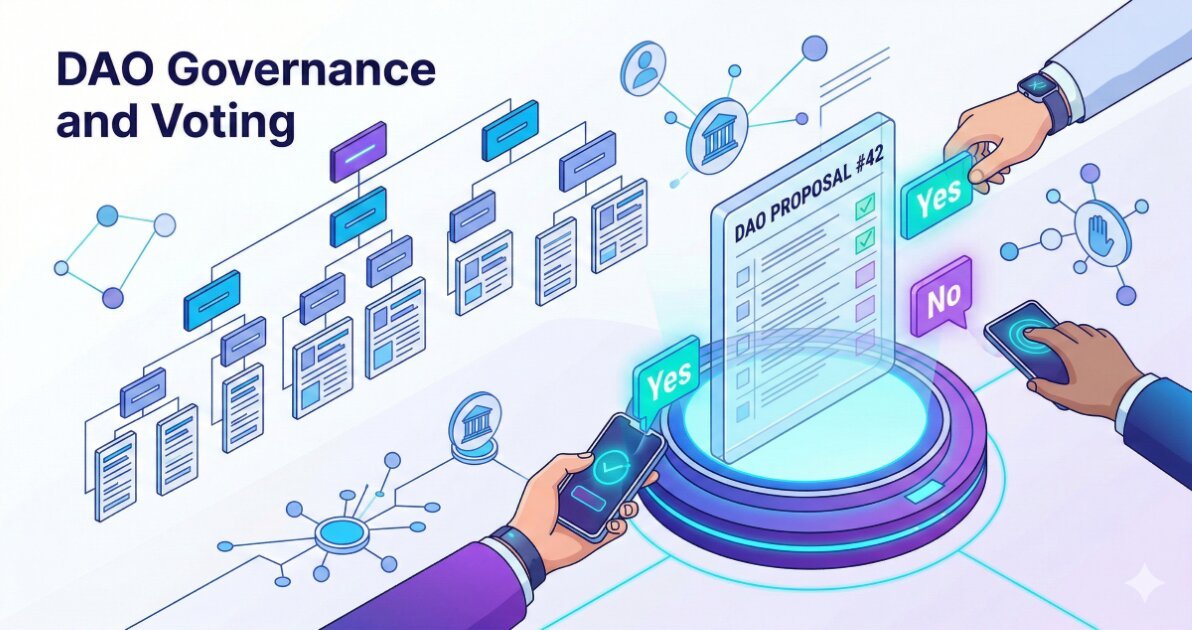
Governance proposals need three checks: verify the proposal exists onchain at the stated ID, confirm current vote tallies match reported figures, and check whether the timelock delay has actually elapsed for execution. Premature announcements of “passed” proposals often ignore the execution window.
Regulatory announcements require primary source review. If a filing or enforcement action is cited, locate it on the official regulator site (SEC EDGAR, CFTC public records, court dockets). Paraphrased claims frequently misstate scope, omit conditions, or conflate proposals with final rules.
Token launch news should trigger liquidity and contract checks. Query the contract address to verify total supply, ownership concentration, and whether mint or admin functions remain active. Check decentralized exchange pool depth and compare reported initial liquidity to actual onchain reserves. Inflated claims about “fair launches” often hide multisig control or pre-minted allocations.
Latency Mapping Across Channels
Different news types propagate through different channels at different speeds. Onchain events appear in mempools and blocks first, then reach block explorers within seconds to minutes, followed by automated alert bots, then human curated feeds, and finally traditional crypto media outlets. This latency cascade creates information asymmetry.
Exploit disclosures typically surface on Twitter or Discord from whitehats or protocol teams before reaching news aggregators. If you rely solely on aggregator feeds, affected positions may already be under attack by the time you see the alert. Direct monitoring of protocol Discord servers, GitHub security advisories, and key developer accounts reduces this gap.
Regulatory news follows the reverse pattern. Official filings appear on government sites first but often go unnoticed for hours until legal analysts or reporters surface them. Set up RSS feeds or API monitors on regulator sites for keywords relevant to your portfolio. Waiting for curated summaries costs critical reaction time.
Worked Example: Validating a Liquidity Crisis Report
At 08:42 UTC you see a post claiming a major decentralized exchange is experiencing a bank run due to bad debt in its perpetual futures market. Before adjusting positions, route through verification.
First, identify the claim’s tier. If the source is an anonymous account with no history, it’s Tier 3. Check for Tier 1 confirmation: query the exchange’s insurance fund contract for balance changes. A sharp drawdown in the last hour supports the claim. Next, check open interest and funding rate data via the protocol’s subgraph or public API. Abnormal negative funding combined with insurance fund depletion indicates actual liquidation stress.
Compare claimed bad debt figures to verifiable onchain insolvency. If the post claims $50M in bad debt but the insurance fund shows only $5M reduction, the magnitude is fabricated or misunderstood. Check if the protocol has issued an official statement or activated emergency procedures like trading halts. Absence of official acknowledgment doesn’t invalidate the claim but raises the bar for acting on it.
Finally, assess contagion risk. Query your own positions on that exchange and evaluate withdrawal queue depth. If you hold funds in the affected perpetual market, initiate withdrawal immediately. If your exposure is in isolated spot markets, monitor but do not panic exit based solely on unverified claims about a different product.
Common Mistakes and Misconfigurations
- Acting on headline numbers without unit or context checks. A report of “$100M liquidations” may refer to notional value liquidated over 24 hours, a routine figure, not a crisis event. Always compare to baseline activity.
- Ignoring timestamp precision. Crypto news often recycles old events as breaking. Check block numbers, transaction timestamps, or publication dates. A “just announced” exploit may refer to a patched vulnerability from weeks prior.
- Conflating testnet and mainnet events. Protocol teams frequently announce testnet launches or bug bounties. Verify the network ID and contract addresses before assuming mainnet impact.
- Trusting unaudited smart contract addresses in news posts. Phishing attacks disguise malicious contracts as legitimate protocol addresses. Cross reference any contract address against the official protocol documentation or verified block explorer listings.
- Failing to distinguish proposals from enacted changes. Governance discussion posts often describe hypothetical upgrades. Confirm execution status onchain before trading on assumed protocol changes.
- Overweighting single source reporting on complex technical claims. If only one outlet reports a critical vulnerability and the protocol team remains silent, wait for independent reproduction or official acknowledgment.
What to Verify Before You Rely on This
- Current block height and network finality for any onchain event claim to ensure the transaction is settled, not pending.
- Whether the protocol or entity mentioned has published an official statement or acknowledgment in their verified channels.
- Actual contract addresses against official documentation to rule out phishing or impersonation.
- Token supply and ownership distribution if the news involves a new asset launch or airdrop.
- Regulatory filing numbers and publication dates on official government sites, not third party summaries.
- Historical context for claimed “record” figures by querying the relevant metrics over comparable time windows.
- Whether emergency multisig powers remain active in protocols claiming full decentralization.
- Cross exchange price data to confirm whether an anomalous price is localized or market wide.
- Audit reports and code review status for any newly deployed contracts mentioned in launch announcements.
- The distinction between announced plans, proposals under vote, and executed protocol changes when evaluating governance news.
Next Steps
- Build a tiered monitoring dashboard that separates Tier 1 onchain feeds from aggregated news sources and apply different response protocols to each tier.
- Script automated queries for high risk positions that check insurance fund balances, liquidity pool reserves, or governance timelock states at regular intervals.
- Establish a verification checklist specific to your portfolio’s risk surface, covering the contract addresses, governance forums, and regulator dockets most likely to generate actionable news for your holdings.
Category: Crypto News & Insights